Quick Answer / Expert Verdict: The cost of a solar mounting system typically accounts for 10% to 15% of the total PV project hardware budget. However, exact pricing is highly dynamic. A standard roof mount is the most economical, while a heavily engineered commercial carport carries a premium. The final PV racking price is dictated by raw material index prices (Aluminum AL6005-T5 vs. Galvanized Steel Q235B), extreme weather engineering requirements (wind/snow load), pre-assembly levels, and global logistics.
For EPCs (Engineering, Procurement, and Construction companies) and solar project developers, accurate budgeting is the difference between a highly profitable solar farm and a financial disaster. While solar panels, inverters, and battery storage systems often dominate the conversation, the underlying racking structure is a massive variable in your capital expenditure (CapEx) and operational longevity.
As a global manufacturing engineering expert, Xiamen Sunforson Power Co., Ltd provides transparent, structurally calculated, and highly optimized solutions for large-scale projects worldwide. In this comprehensive guide, we will break down the true cost factors of solar brackets to help you secure the most accurate and competitive quotation for your next megawatt-scale project.
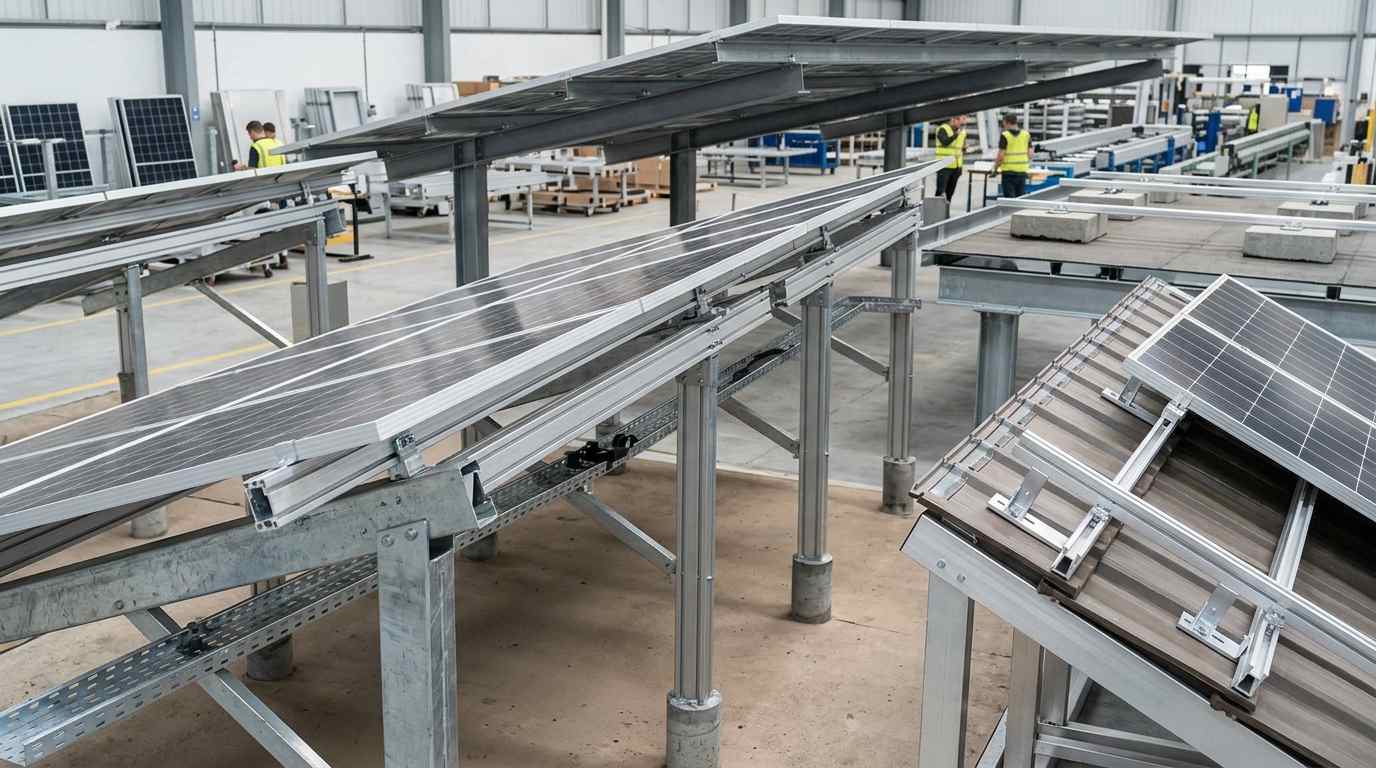
SunRack provides cost-effective, engineered structures for diverse global projects
Key Factors Influencing Solar Bracket Cost
There is no one-size-fits-all price list in the professional solar mounting industry. When you ask a manufacturer for a quotation, their structural engineering team must calculate several dynamic factors before providing an accurate price per watt or price per megawatt.
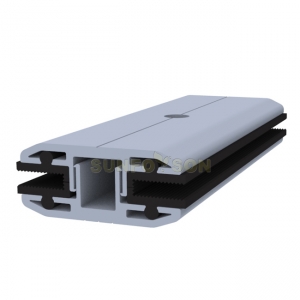
- Raw Material Selection & Market Index: The two dominant materials are aluminum and steel. Raw aluminum is generally more expensive than steel per metric ton. However, aluminum is much lighter, which drastically reduces international shipping and on-site labor costs. Hot-dip galvanized steel is cheaper by weight but requires heavy machinery to install. Furthermore, factory quotes fluctuate based on global metal index prices (LME or SHFE).
- Environmental Loads & Engineering Reinforcement: A project located in a Category 5 hurricane zone (like the Caribbean or Florida) or a heavy snow zone (like Canada) requires thicker metal profiles, denser clamp spacing, and much deeper foundations compared to a project in a calm, flat inland area. This necessary structural reinforcement increases the total material volume and, consequently, the cost.
- Level of Factory Pre-Assembly: Buying loose rails, bolts, and brackets is cheaper upfront. However, purchasing highly pre-assembled components (where the factory connects the tripods or frames before shipping) costs slightly more in manufacturing but saves EPCs thousands of dollars in expensive on-site labor and reduces installation time by up to 40%.
- Project Scale (Economies of Scale): Metal fabrication relies heavily on volume. A massive 50MW utility-scale solar farm will command a significantly lower customized price per watt than a 100kW commercial rooftop, due to optimized production runs and bulk raw material purchasing.
Cost Comparison by System Type
The physical application of the array dictates the engineering complexity and the final price tag. Here is a detailed breakdown of how the three main mounting categories compare:
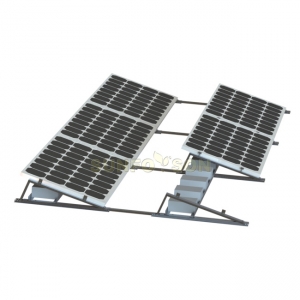
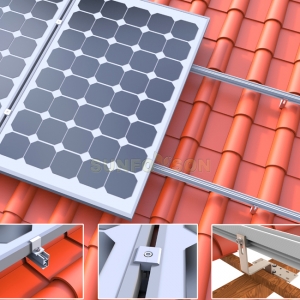
1. Lowest Cost: Solar Roof Mounting System
Because the commercial building or residential house itself serves as the foundational support, roof mounts require the least amount of metal hardware. Whether utilizing simple stainless steel L-feet on corrugated tin roofs, standing seam clamps that require no drilling, or ballasted aluminum frames on flat concrete, the minimal material requirements make this the most economical racking option available.
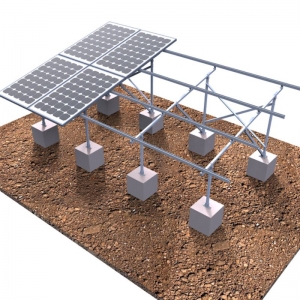
2. Mid-Range Cost: Ground Solar Mounting System
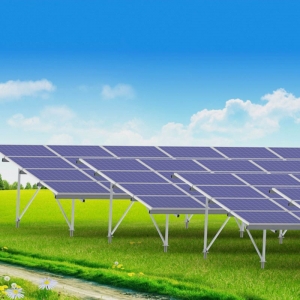
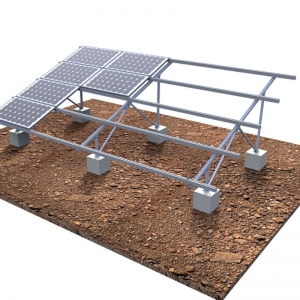
Ground arrays require entirely independent support structures and deep earth anchoring to ensure stability against wind uplift. Solutions like C-channel ramming piles or heavy-duty ground screws demand significant amounts of hot-dip galvanized steel to support multiple rows of panels high off the ground. This increases both the direct material costs and the logistics/shipping costs due to the sheer weight of the steel.
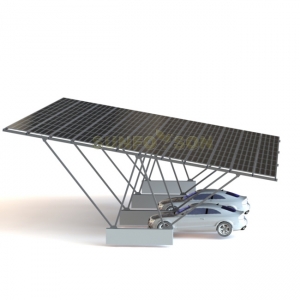
3. Highest Premium: Commercial Solar Carport Mounting System
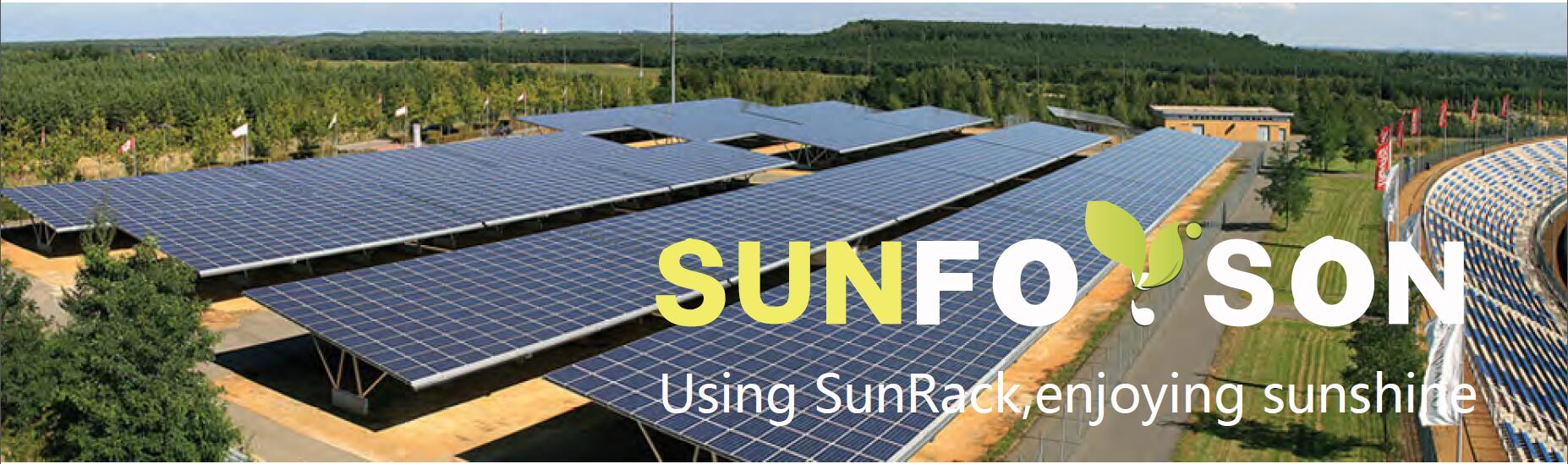
Solar carports are essentially highly engineered architectural structures. They require massive steel or anodized aluminum columns to provide sufficient vehicle clearance, complex waterproof W-rails to keep the parking area dry, and extensive concrete foundation work. While the initial hardware CapEx is the highest among all mounting types, the dual-purpose ROI (premium covered parking combined with renewable power generation) often justifies the premium for shopping malls, hospitals, and corporate campuses.
Hidden Costs to Avoid During Procurement
When evaluating supplier quotes, the cheapest initial price is rarely the best deal. Beware of "hidden costs" that arise from poor manufacturing:
- Poor Galvanization: Cheap suppliers may cut corners by applying a thin galvanization layer (under 50μm). This leads to rapid rusting in the soil, forcing you to replace the entire foundation within 5-10 years. Sunforson ensures a standard 65μm-85μm hot-dip galvanized layer.
- Lack of Pre-Assembly: If a supplier ships thousands of completely loose pieces, your EPC team will spend weeks sorting parts on the ground, inflating your labor costs drastically.
Frequently Asked Questions (FAQ)
Q1: How can I actively reduce the cost of my solar mounting system?
The best way to reduce costs is through precise, localized engineering. By providing accurate site data (topography, soil type, and wind/snow load), our engineers can optimize the rail thickness and span distances. This ensures you aren't paying for unnecessary heavy metal while still guaranteeing 100% structural safety.
Q2: Do you provide standard price lists for distributors?
Because raw material prices (steel and aluminum ingots) fluctuate daily on the global commodity market, and every utility or commercial project has unique structural and geographical requirements, professional manufacturers do not use fixed, static price lists. We provide highly customized, real-time factory quotations based on your specific BOM (Bill of Materials).
Get a Free Engineering Quotation Today
Don't guess your project costs or risk your investment on generic brackets. Sunforson provides professional structural calculation, robust materials, and accurate, factory-direct pricing for EPCs and developers worldwide.
Send us your panel layout and site conditions for a detailed quote: info@sunforson.com.