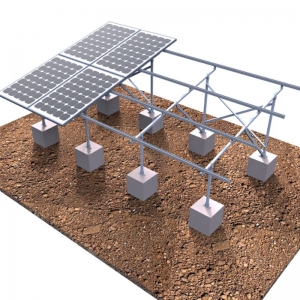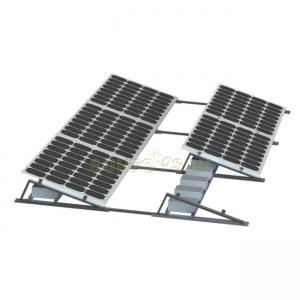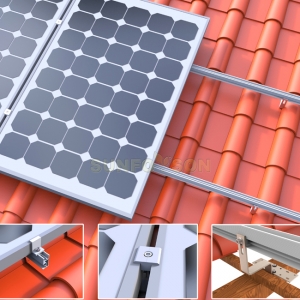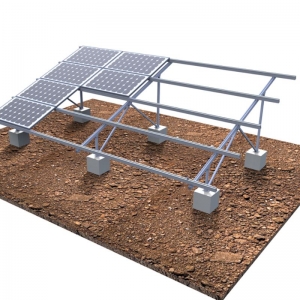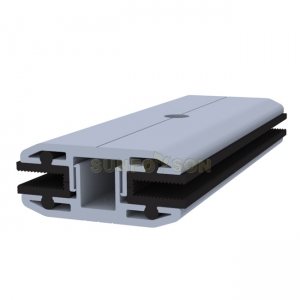

Effective April 1, 2026, China will officially eliminate the value-added tax (VAT) export rebates for photovoltaic (PV) products. This policy shift, announced by the Ministry of Finance, marks a transition from volume-driven expansion to a "high-quality development" era. For the solar mounting and racking sector, this change brings both immediate challenges and long-term structural shifts.
Direct Impact on Cost Structures
Solar mounting systems are heavily dependent on raw materials like aluminum and galvanized steel. Historically, the 9% to 13% export rebate acted as a vital buffer against fluctuating commodity prices. With the rebate's removal, manufacturers face a direct increase in net export costs. Global developers and EPC (Engineering, Procurement, and Construction) firms should anticipate a baseline price adjustment as the industry absorbs this fiscal change.
The "Q1 Rush" and Supply Chain Logistics
We anticipate a significant export surge in the first quarter of 2026. To secure lower pricing before the April deadline, international buyers are likely to pull forward their procurement schedules. This "pre-deadline rush" may lead to temporary bottlenecks in production capacity and a spike in ocean freight rates. We recommend our partners finalize their H1 2026 project requirements by late 2025 to mitigate these risks.
Shifting to Value and Innovation
While the policy adds cost pressure, it also serves as a catalyst for industry consolidation. Companies can no longer compete on "price wars" fueled by tax subsidies. Instead, the focus is shifting toward:
Technological Innovation: Improving structural efficiency to reduce material intensity.
Global Localization: Accelerating the setup of regional manufacturing hubs to bypass export-related costs.
Service Excellence: Moving beyond the product to provide comprehensive engineering support.
Conclusion
The cancellation of the export tax rebate is a clear signal of a maturing market. As a leading provider of solar mounting solutions, we remain committed to navigating these changes through transparent pricing and enhanced product efficiency.