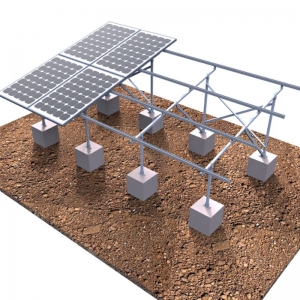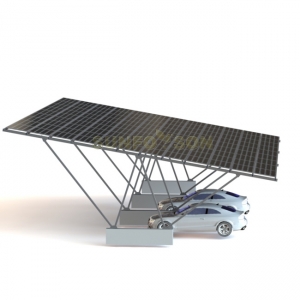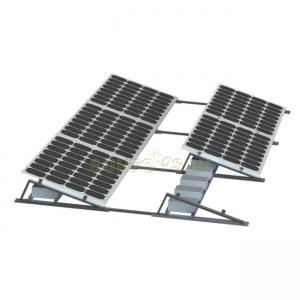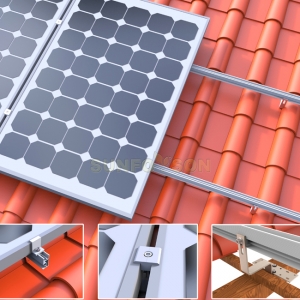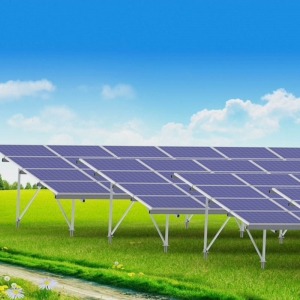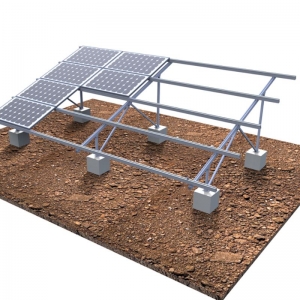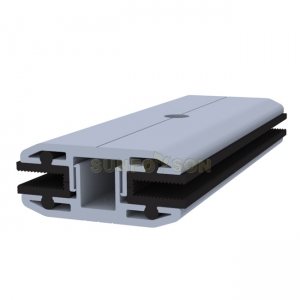
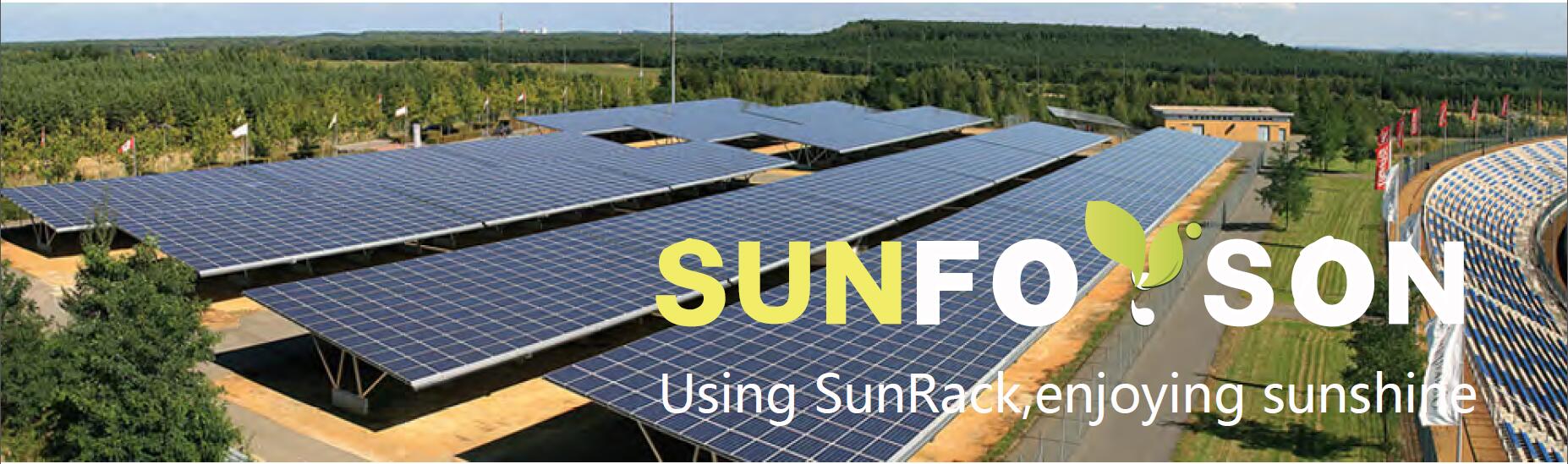
As the global energy transition continues to accelerate, solar photovoltaic (PV) power remains one of the fastest-growing renewable energy sources worldwide. Approaching 2026, the industry focus is gradually shifting from installation volume alone to long-term system performance, structural reliability, and overall project value. Within this context, solar mounting structures are playing an increasingly critical role in PV system development.
From Supporting Component to Structural Foundation
Historically, mounting systems were often regarded as secondary components within PV projects. Today, however, mounting structures are recognized as a key factor influencing installation efficiency, system safety, and lifecycle cost.
In large-scale utility projects and commercial and industrial (C&I) applications, mounting system design has a direct impact on construction timelines, bankability, and long-term operational stability.
Resilient Global Demand Across Key Regions
Despite short-term fluctuations in certain markets, global demand for solar mounting systems remains resilient. Growth continues across multiple regions, including:
-
Middle East: Large-scale desert projects drive demand for high-load, heat-resistant, and wind-resistant structures
-
Europe: Stable growth in rooftop and distributed solar emphasizes certification, safety, and system compatibility
-
Latin America: Diverse terrain and rapid energy demand growth favor flexible and adaptable mounting solutions
-
Africa: Accelerating renewable energy investment creates long-term opportunities for solar infrastructure
These regional dynamics continue to support sustained demand for reliable mounting systems.
Installation Efficiency and Standardization Take Center Stage
As global solar deployment scales up, project schedules are becoming more compressed. This has accelerated the adoption of standardized and modular mounting systems designed to improve installation speed and reduce on-site labor.
Efficient mounting solutions contribute significantly to lowering balance-of-system (BOS) costs by simplifying installation processes and improving overall project predictability.
Material Engineering and Structural Reliability in Focus
As solar projects expand into harsher environments—including high temperatures, strong winds, coastal corrosion, and uneven terrain—material selection and structural engineering have become central to mounting system design.
High-strength steel, aluminum alloys, and advanced surface treatments are widely adopted to ensure long-term durability and structural integrity. Project developers are increasingly evaluating mounting systems based on lifecycle performance rather than upfront cost alone.
Regional Diversity Drives Flexible Solutions
While standardization improves efficiency, regional differences in climate, regulations, roof structures, and construction practices continue to shape technical requirements. As a result, flexible system design and engineering adaptability have become essential capabilities for mounting suppliers serving international markets.
Manufacturers that successfully balance standardized components with customized solutions are well-positioned to meet evolving global demands.
Looking Ahead to 2026
As the solar industry enters a more mature development stage, solar mounting systems will remain a fundamental element of project success. Key trends expected to define the coming years include:
-
Greater emphasis on long-term structural reliability
-
Continued demand for faster and more efficient installation solutions
-
Stronger alignment with international standards and certifications
-
A shift from cost-driven decisions toward long-term value optimization
As solar power continues to expand globally, high-quality mounting structures will serve as the structural backbone of reliable and sustainable solar energy systems worldwide.