The global photovoltaic (PV) industry is at a crossroads, marked by policy recalibration and technological advancements. In Europe, solar deployment is facing a significant slowdown. According to a report by SolarPower Europe, 2025 is set to be the first year in a decade that the EU's annual new PV installations decline, primarily due to a downturn in the residential rooftop segment and grid integration challenges. The association warned that slowing down solar and storage deployment risks harming the region's “competitiveness and energy security.
Concurrently, China, the world's largest solar market, is steering its domestic industry towards consolidation. At the 2025 PV Industry Annual Conference, the Ministry of Industry and Information Technology announced plans to strengthen the management of PV manufacturing projects and accelerate the exit of outdated capacity. This move aims to curb disorderly competition and foster high-quality development.
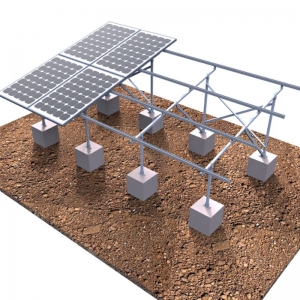
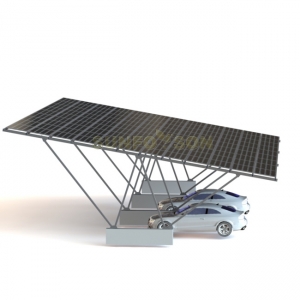
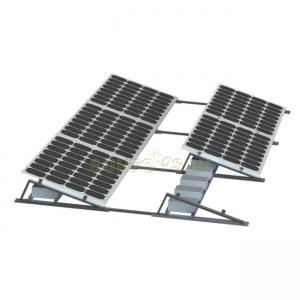
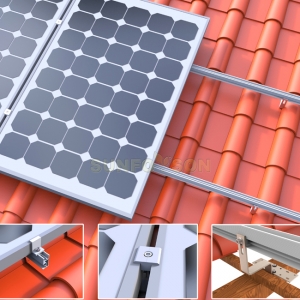
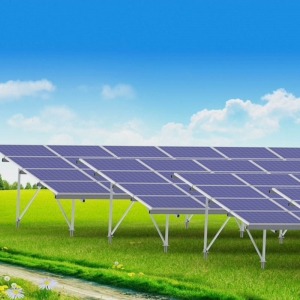
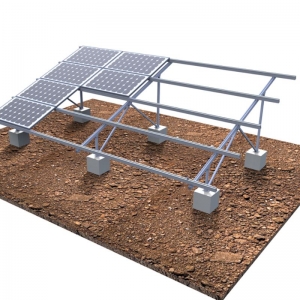
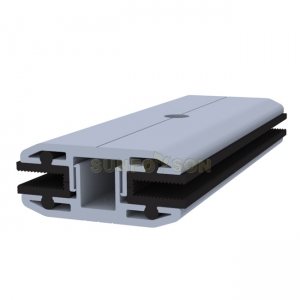
Amid these market adjustments, innovation in balance-of-system components like solar panel mounts is gaining momentum. To maximize the value of PV plants across diverse terrains, technological trends are shifting from rigid structures to flexible mounting systems that can adapt to complex environments. These next-generation solar mounting solutions offer benefits such as reduced steel consumption, lower foundation costs, and enhanced resistance to extreme weather, paving the way for more cost-effective and reliable photovoltaic power generation worldwide.