Quick Answer / Expert Engineering Verdict: Installing solar panels on commercial metal roofs is highly cost-effective, but using the wrong bracket guarantees catastrophic water leaks. The secret is matching the racking hardware to the roof's profile. Standing seam roofs require non-penetrating clamps that grip the ribs without drilling. Trapezoidal and corrugated roofs require localized penetrations, which must strictly occur at the highest point (the crown/peak) using specialized hanger bolts or L-feet equipped with UV-resistant EPDM rubber gaskets to ensure a 25-year waterproof seal.
Commercial factories, agricultural warehouses, and industrial logistics centers often feature massive, unshaded metal rooftops. For EPCs (Engineering, Procurement, and Construction companies), these roofs represent the perfect canvas for megawatt-scale solar deployments. However, facility managers are notoriously hesitant to approve solar installations for one universal reason: the fear of roof leaks.
Piercing a metal sheet improperly compromises the building's envelope, voids the original roofing warranty, and can cause millions of dollars in water damage to the inventory stored below. The difference between a profitable, seamless solar array and a legal nightmare lies entirely in the structural mounting hardware.
As a global leader in PV racking solutions, Xiamen Sunforson Power Co., Ltd engineers structural brackets designed specifically for the complex geometry of modern architecture. In this comprehensive technical guide, we dissect the three most common metal roof profiles and detail the exact mechanical fastening techniques required to guarantee absolute waterproofing.
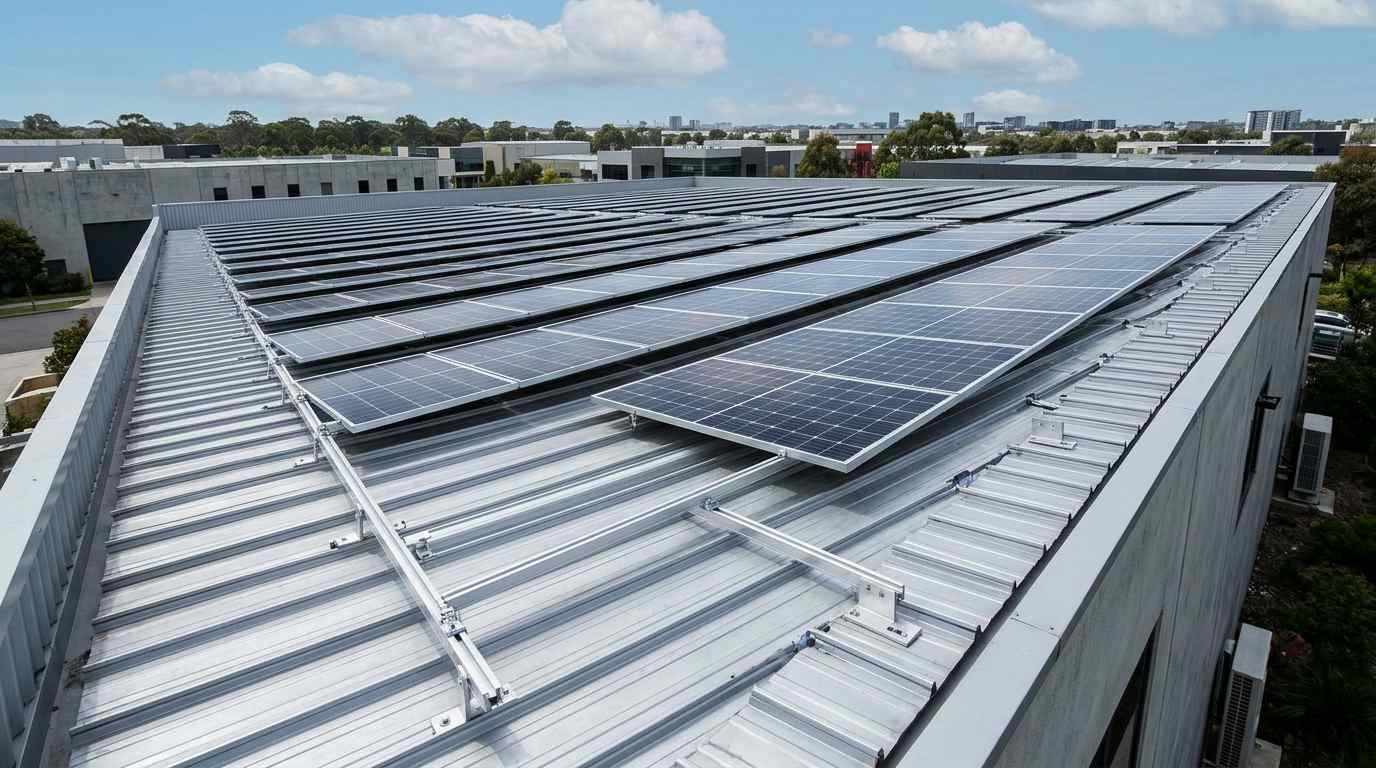
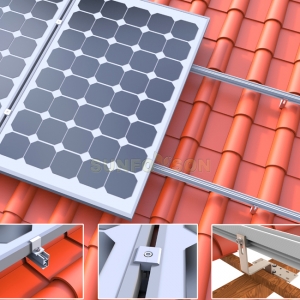
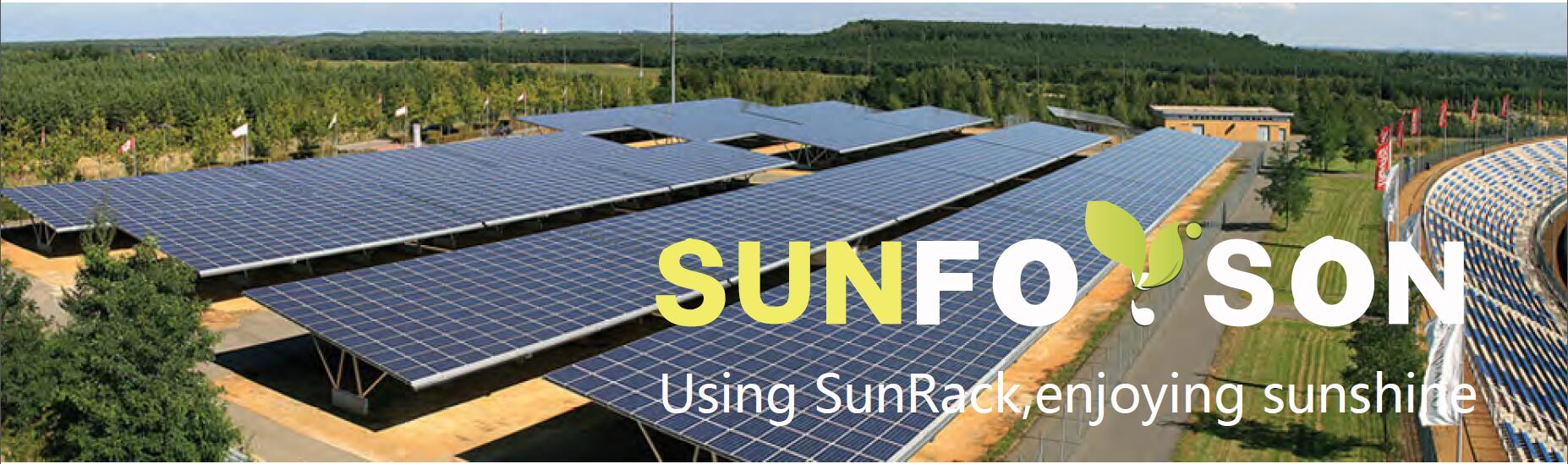
Figure 1: SunRack specialized clamps installed on a commercial metal roof, ensuring zero leaks
1. Standing Seam Metal Roofs: The Zero-Penetration Solution
Standing seam metal roofs are considered the gold standard for premium commercial buildings. They feature continuous metal panels that interlock at raised vertical seams, hiding the fasteners completely. Because the roof itself has no exposed screws, solar installers must maintain this waterproof integrity.
The Engineering Solution: Non-Penetrating Seam Clamps
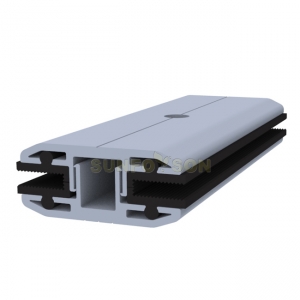
You should never drill a hole into a standing seam roof. Instead, Sunforson engineers specialized AL6005-T5 aluminum clamps that slide directly over the raised vertical rib. Stainless steel (SUS304) side-bolts are tightened horizontally to compress the clamp against the seam, holding the solar rails firmly in place through sheer mechanical friction.
Critical Torque Control: The torque applied to these side bolts must be precisely calibrated. If under-tightened, high wind uplift will rip the array off the roof. If over-tightened, the clamp will crush and deform the metal seam, compromising the roof's structural integrity. Sunforson provides exact torque specifications for every unique clamp design.
2. Trapezoidal Metal Roofs: Crown-Mounted Mastery
Trapezoidal metal roofs (often called box-profile roofs) are incredibly common on industrial factories. They consist of flat valleys separated by raised, flat-topped trapezoidal crowns. Unlike standing seams, these roofs require physical penetration to secure the solar racking.
The Engineering Solution: Crown-Saddling Brackets
To ensure a watertight seal, EPCs must utilize a trapezoidal metal roof solar mounting system. These brackets are mathematically shaped to saddle over the specific width of the raised crown.
The Golden Rule of Waterproofing: Fasteners (typically self-tapping screws) must only be driven into the raised crown—never in the flat valley. Rainwater naturally channels and flows through the lower valleys. By drilling at the highest point of the roof profile, gravity actively pulls water away from the penetration point. Furthermore, every SunRack trapezoidal bracket is backed with a thick layer of EPDM rubber padding. When the screws are torqued down, this rubber compresses, expanding into the drill hole and creating a hermetic, airtight seal.
3. Corrugated Tin Roofs: The Hanger Bolt Strategy
Corrugated metal roofs feature a continuous sinusoidal wave pattern. Because there are no flat edges or square crowns to clamp onto, standard brackets cannot establish a flush, stable connection.
The Engineering Solution: Double-Threaded Hanger Bolts
The most robust method for this profile is utilizing stainless steel hanger bolts (stud bolts). This specialized hardware features a wood or steel thread on the bottom half, and a machine thread on the top half. Installers drill through the absolute peak of the corrugated wave, driving the bottom thread deeply into the heavy wooden purlin or steel beam lying beneath the metal sheet.
This technique is highly favored for deploying a reliable pitched roof solar racking system on older agricultural buildings, because the structural load of the solar panels is transferred directly into the building's skeleton, rather than resting on the thin, flimsy tin sheet. The hanger bolt is equipped with an EPDM rubber washer and a stainless steel flange nut. As the nut is tightened downwards, it crushes the rubber washer firmly against the curved peak of the roof, sealing the penetration completely against rain and snowmelt.
Technical Summary: Metal Roof Solar Racking Matrix
| Metal Roof Profile Type | SunRack Hardware Solution | Penetration Required? | Primary Waterproofing Mechanism |
|---|---|---|---|
| Standing Seam | AL6005-T5 Side-locking Clamps | No (Zero Drilling) | Unbroken original roof membrane. |
| Trapezoidal / Box Profile | Crown-Saddling Brackets | Yes (At the Crown) | Compressed EPDM padding & gravity drainage. |
| Corrugated / Sinusoidal | SUS304 Hanger Bolts (Studs) | Yes (At the Peak) | Flange nut compressing an EPDM washer. |
Thermal Expansion: The Hidden Threat to Metal Roof Solar Arrays
Waterproofing is not just about the initial installation; it is about surviving decades of environmental stress. Metal roofs expand drastically under the baking summer sun and contract violently during freezing winter nights.
If a solar installer bolts a continuous, unbroken aluminum rail across 50 meters of a steel roof, the two different metals will expand at different rates. This thermal sheer force is powerful enough to rip the screws directly out of the metal sheet, creating massive, unsealable holes. To prevent this, professional engineering standards mandate the inclusion of thermal expansion gaps. The solar rails must be cut and separated by a small gap every 15 to 20 meters, connected only by specialized flexible splice kits, allowing the array to breathe and shift with the building.
This rigorous level of mechanical engineering is the same principle Sunforson applies when designing utility-scale ground mount solar panel racking systems, ensuring that whether on a factory roof or an open desert, the structure mitigates all environmental stresses.
Frequently Asked Questions (FAQ) for Roofing & Solar EPCs
Q1: Can I ever drill into the valley of a metal roof to secure a bracket?
Absolutely never. The valley is the designated water channel for the entire roof. If you drill into the valley, sitting water will pool around the fastener. Over 25 years, the EPDM rubber will eventually degrade, and hydrostatic pressure will force water directly into the building. Always fasten at the peak.
Q2: Do Sunforson's clamps fit every type of metal roof?
There is no universal clamp. Standing seams have round, square, and bulbous profiles; trapezoidal roofs have different crown widths and pitch distances. This is why Sunforson manufactures dozens of customized clamp dies. When you contact us, simply provide a dimensioned cross-section drawing of your roof, and our engineers will specify the exact matching bracket.
Q3: How long do the EPDM rubber gaskets last?
We utilize high-grade, UV-stabilized EPDM rubber. Because the rubber is physically shielded from direct sunlight by the aluminum bracket sitting on top of it, it avoids UV degradation and is engineered to maintain its elastic waterproofing properties for the full 25-year lifespan of the solar project.
Protect Your Client's Building with Precision Engineering
A leaking roof will destroy your EPC company's reputation and obliterate your profit margins. Do not compromise on structural hardware. Partner with Xiamen Sunforson Power Co., Ltd for mathematically verified, perfectly contoured metal roof solar mounting solutions.
Send us your roof profile dimensions and project layout for a free structural design quote:
info@sunforson.com